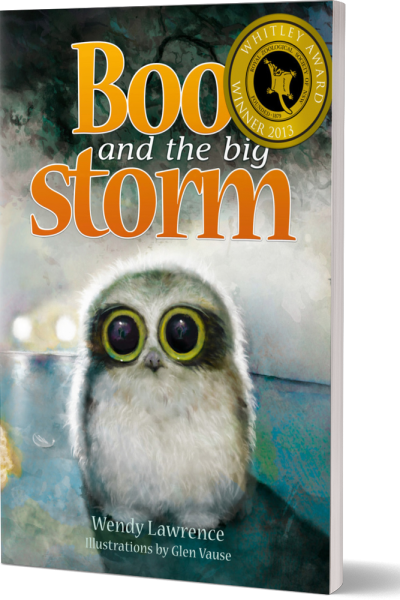
the Big
Storm
What a Treasure of a Picture Book
“ Boo is an absolute star! This fast-paced, tension-filled story will have little ones on the edge of their seats, hanging on every word until ‘their’ lovable little owl is safe. ”
Marg McAlister Author
The Story Line
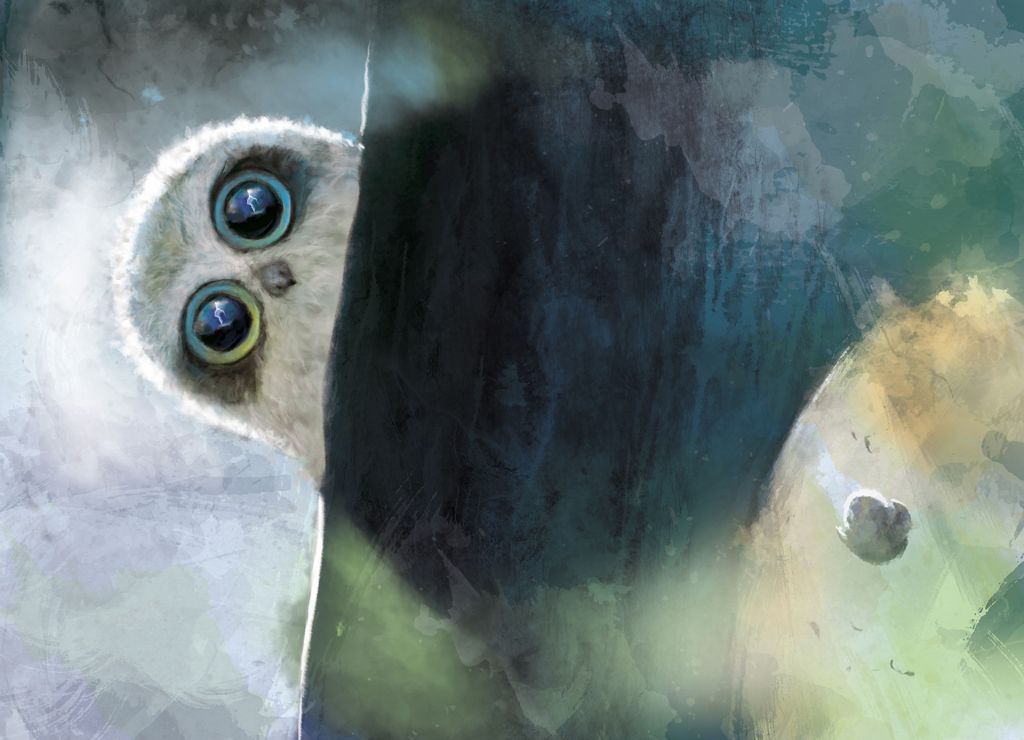
When little Boo, a Boobook owlet, is blown out of her nest during a storm, she lands in the middle of the road and doesn’t quite know what to do.
She is scared. Really scared. On his way home that evening, Farmer Goodman stops to rescue her. Now she’s even more scared – is he a monster?
But she feels better when he gives her delicious insects to eat. Through a window she sees her parents searching for her but they can’t see her.
She calls and calls but they can’t hear her. How will she ever get home?
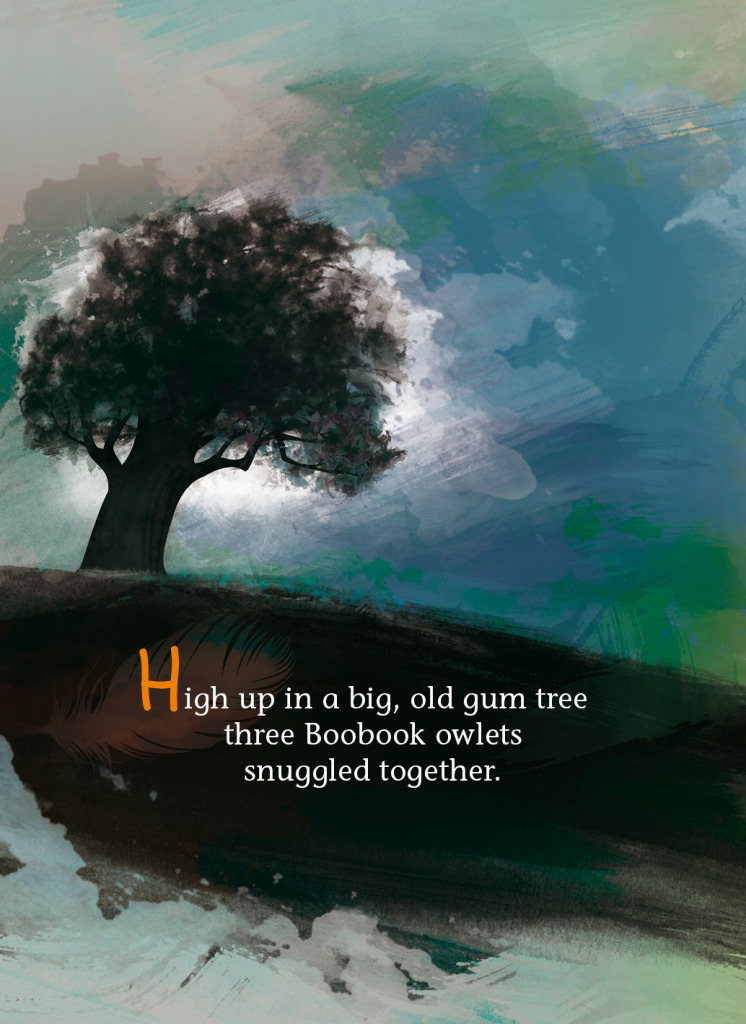
Page Previews
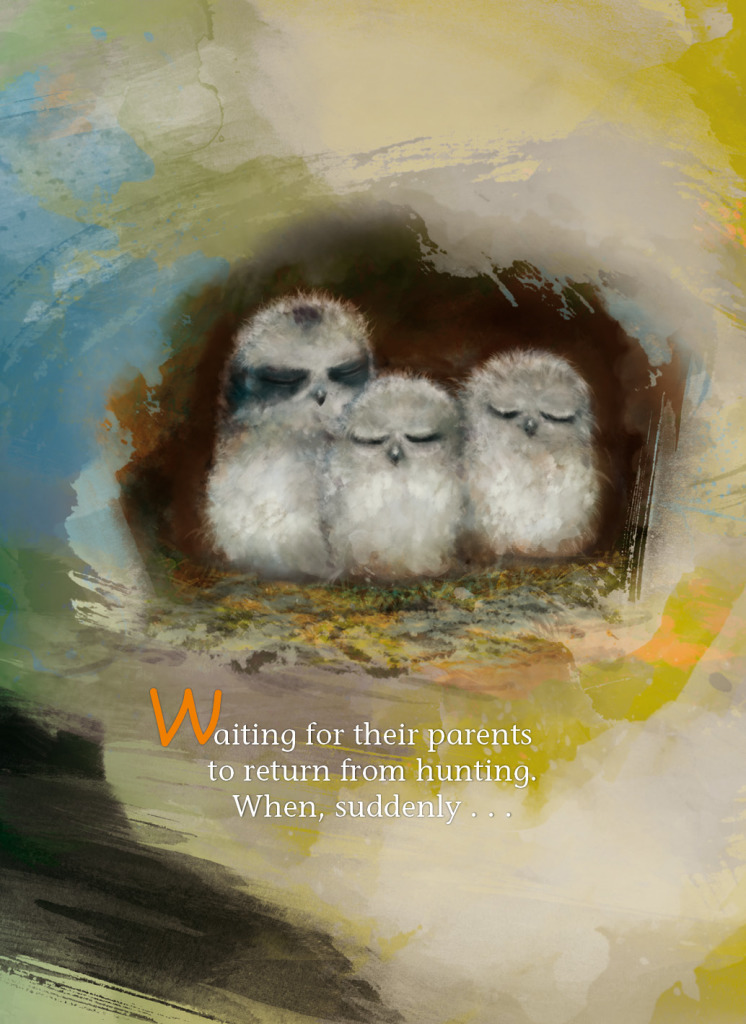
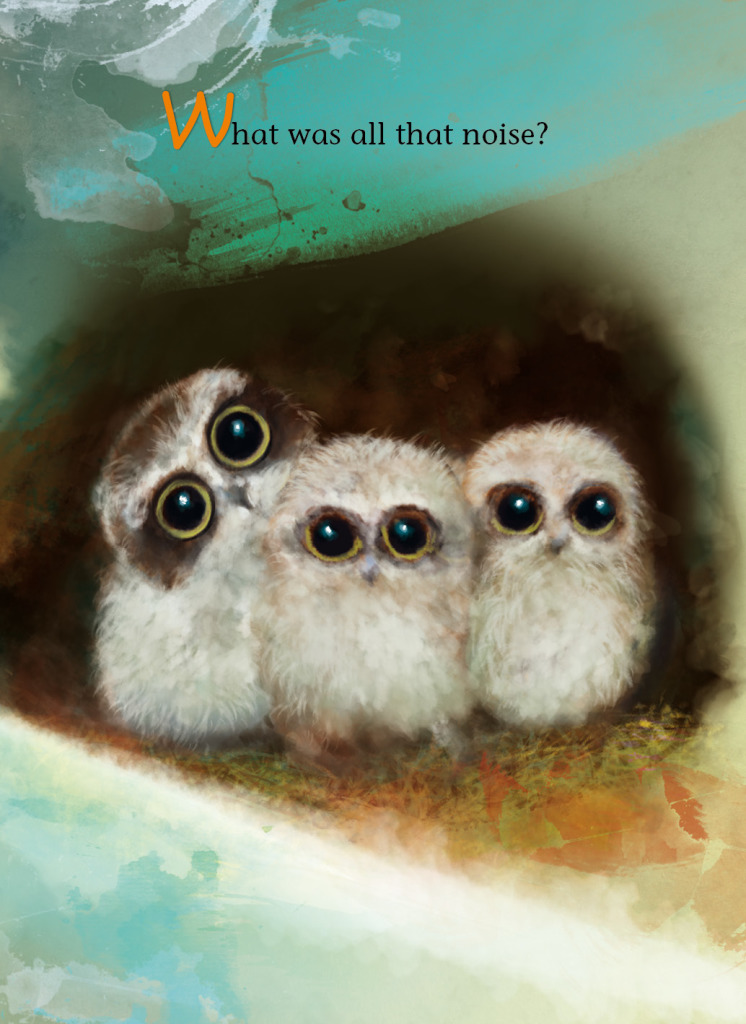
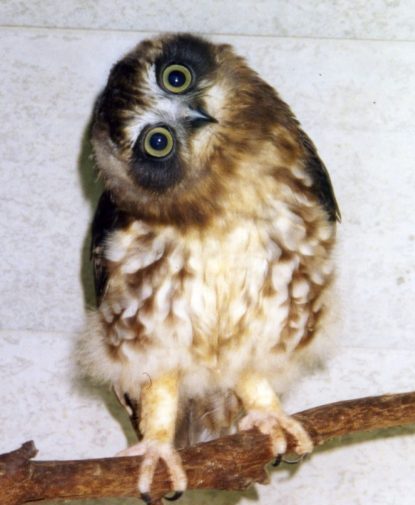
About the Southern Boobook Owl
The Southern Boobook owl is the smallest and most common owl in Australia.
It’s also the one that is heard the most with a ‘boo-book’ call that sounds just like its name.
The Boobook Owl can live almost anywhere from forests to deserts but prefers
wooded areas and leafy towns.
Nesting begins in spring when the male builds the nest in a living or dead tree hollow and lines it with some twigs and leaves. The female usually lays two to three white eggs and stays with them until they hatch about four weeks later. Her mate fees her during this time. Once hatched, both parents have a busy time feeding the owlets.
Their food is mainly insects such as moths, which are captured in mid-air, or lizards, frogs and mice, which are pounced upon. when they are about five weeks old, the owlets leave the nest but stay close to their parents. They watch and learn to hunt whilst still being fed by them.
Boobook owls face a number of threats caused by humans. The main one is the reduction in habitat (places they can live) caused by chopping down dead or living trees. This means there are few hollows and roosting sites. Dead trees are just as important as living ones. Other threats include being hit by cars or flying into power lines, which can cause injury or even death. They also get caught up in barbed wire fences which can damage their wings badly. And they can be poisoned by eating insects sprayed with insecticide as well as mice that have eaten baits.
For more information visit www.birdlife.org.au